
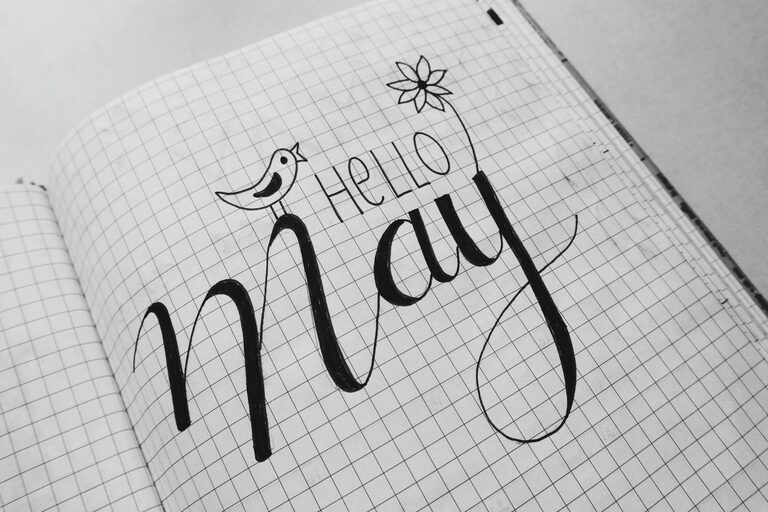
Bullet journaling is a simple yet powerful way to organize your life, set goals, and express creativity—all in one versatile notebook. Whether you’re looking to track daily tasks, jot down ideas, or cultivate new habits, bullet journaling offers a flexible system tailored to your needs. This beginner guide will walk you through the basics of starting your own bullet journal, share helpful tips, and inspire you to make it your personal tool for productivity and mindfulness.
What Is Bullet Journaling?
Bullet journaling, often called BuJo for short, was created by Ryder Carroll as an analog system to manage tasks, events, and notes efficiently. Unlike traditional planners, a bullet journal can be customized completely, combining calendars, to-do lists, habit trackers, and even doodles or creative spreads.
Key features that make bullet journaling popular include:
– Flexibility: Your journal can be as simple or as artistic as you want.
– Organization: It helps you keep track of everything in one place.
– Reflection: Reviewing your journal helps you stay mindful of progress and priorities.
What You Need to Get Started
Starting a bullet journal is easier than you might think. The basics include:
– Notebook: Choose a notebook you like. Popular choices are dotted or grid paper, but plain or lined works too.
– Pen: Use any pen or pencil you enjoy writing with. Colored pens and markers are optional for decoration.
– Ruler (optional): Useful for drawing straight lines but not necessary.
That’s it! You don’t need fancy supplies to begin; the focus is on functionality and personalization.
Basic Bullet Journal Components
Here’s a breakdown of the core parts of a bullet journal to get you started:
1. Index
The index is like the table of contents. It helps you quickly find specific pages or sections. Reserve the first couple of pages for the index and update it as you add more content.
2. Future Log
The future log is where you note down important events, appointments, or goals planned for upcoming months. It acts as a long-term calendar.
3. Monthly Log
Each month gets its own section with a calendar overview and a task list. This helps you organize what’s coming up soon.
4. Daily Log
Here you list daily tasks, events, and notes. Use simple bullets and symbols to mark items such as:
– Tasks: •
– Events: ○
– Notes: –
Example:
• Buy groceries
○ Meeting at 2 PM
– Reminder to call mom
5. Collections
Collections are customized pages dedicated to specific themes like habit trackers, reading lists, or meal planning.
How to Set Up Your First Bullet Journal
Follow these simple steps to create your bullet journal layout:
Step 1: Set up the Index
Leave two pages at the beginning for the index. Number your future pages as you go and add their titles to the index.
Step 2: Create the Future Log
Divide two pages into sections for each month (usually 3-6 months). Write down important dates and events.
Step 3: Add Your Monthly Log
Start a new page for the current month. On the left, list the dates vertically; on the right, create a space for monthly tasks.
Step 4: Start Your Daily Log
Write the date, then start listing tasks, events, and notes using bullet symbols.
Step 5: Add Collections
Think about what else you want to track or plan. Create dedicated pages for anything from workout routines to books to read.
Tips for Bullet Journaling Success
– Keep it simple: Start with minimal layouts and add complexity over time.
– Use symbols: Develop your own key to mark tasks, events, and priorities.
– Review regularly: Set aside time weekly or monthly to reflect on progress and migrate incomplete tasks.
– Personalize: Incorporate doodles, stickers, or colors to make journaling enjoyable.
– Stay consistent: Try to write in your journal daily, even if it’s just a few notes.
– Don’t stress about perfection: The journal is for you, so there’s no right or wrong way to use it.
Benefits of Bullet Journaling
Many people find bullet journaling helps:
– Increase productivity by focusing on important tasks
– Reduce stress by having a clear plan
– Build habits and track progress visually
– Enhance creativity through personalized layouts
– Improve mindfulness by encouraging reflection
Creative Ideas for Your Bullet Journal
Once you’re comfortable with the basics, try adding creative spreads like:
– Mood trackers with colors representing different feelings
– Goal-setting pages with inspiring quotes
– Brain dump pages for clearing your mind
– Travel or budget planners
– Gratitude logs to boost positivity
Conclusion
Bullet journaling is a flexible and rewarding tool that anyone can start with minimal materials. By combining task management with creativity, it makes planning enjoyable and personal. Remember, the most important thing is to tailor your bullet journal to fit your lifestyle and needs. Grab your favorite notebook and start your bullet journaling journey today!
—
Happy journaling! If you enjoyed this guide, feel free to share your own bullet journal tips in the comments below.