
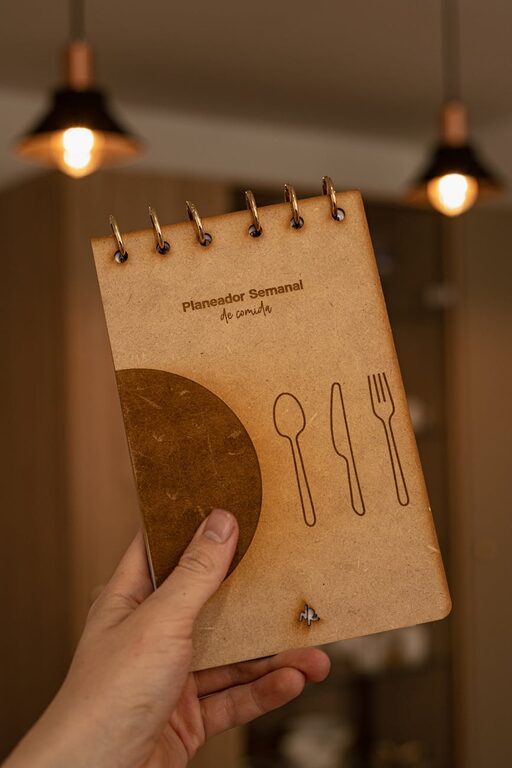
Planning your meals ahead of time can transform your week from chaotic to calm. A simple weekly meal plan helps you stay organized, shop smarter, reduce food waste, and enjoy home-cooked meals without the daily stress of deciding what to eat. Whether you’re cooking for yourself, a family, or roommates, creating a meal plan doesn’t have to be complicated. In this post, we’ll walk you through easy steps to build a weekly meal plan that works for you.
Why Create a Weekly Meal Plan?
Before diving into how to create a plan, it’s helpful to understand why it’s worthwhile:
– Saves time: Knowing what you will cook each day reduces daily decision-making.
– Reduces food waste: You buy only what you need and use leftovers wisely.
– Saves money: Planning helps you avoid last-minute takeout or impulse purchases.
– Supports healthier eating: When meals are planned, you’re less likely to grab unhealthy options.
– Makes grocery shopping easier: You have a precise shopping list.
Ready to get started? Let’s break down the process.
Step 1: Assess Your Week Ahead
Before planning meals, consider your schedule:
– Do you have busy days where cooking time is limited?
– Are there social events or dining out planned?
– How many people will you be feeding?
Creating a realistic plan means accounting for these factors.
Step 2: Choose Your Meal Structure
Decide how many meals you want to plan for the week. Most people focus on dinners and some include lunches, especially if they bring meals to work or school. Breakfasts are often quicker, but planning them can also be helpful.
Here are common approaches:
– Plan dinners only: Leaves flexibility for breakfast and lunch.
– Plan all meals: For more control and saving time.
– Plan dinners and lunches: Good if breakfasts are simple or repetitive.
Pick what fits your lifestyle best.
Step 3: Pick Your Recipes
Selecting recipes is the heart of your plan. To keep things simple, consider these tips:
– Use familiar meals: Go for dishes you and your household enjoy.
– Include variety: Rotate proteins (chicken, fish, beans), vegetables, and grains.
– Plan for leftovers: Make meals that yield extra servings for lunches or another dinner.
– Consider time: Match cooking times to your schedule (quick meals on busy days).
– Balance nutrition: Include vegetables, protein, and whole grains.
Sample Recipe Ideas:
– Monday: Grilled chicken with roasted vegetables
– Tuesday: Spaghetti with marinara and side salad
– Wednesday: Stir-fry with tofu and mixed veggies
– Thursday: Baked salmon with quinoa and steamed broccoli
– Friday: Veggie-loaded quesadillas
– Saturday: Slow cooker chili (leftovers for Sunday lunch)
– Sunday: Homemade pizza with assorted toppings
Step 4: Make a Grocery List
Once recipes are chosen, write down ingredients. Group items by category for efficient shopping, such as:
– Produce
– Meat/Protein
– Dairy
– Pantry staples
– Frozen goods
Check your pantry first to avoid buying duplicates. Apps or printable templates can help with this.
Step 5: Prep in Advance
To save time during the week:
– Chop vegetables in one session.
– Cook grains or proteins ahead.
– Portion snacks or pack lunches early.
– Store meals in airtight containers for grab-and-go convenience.
Batch cooking on weekends can make weekdays smoother.
Step 6: Stay Flexible
While planning is helpful, life happens. It’s okay to:
– Swap meals between days.
– Use leftovers creatively.
– Adjust portion sizes or ingredients based on what’s available.
Remember, the goal is to reduce stress, not create it.
Tips for Success
– Start small: If you’re new, plan just a few meals per week.
– Use theme nights: Examples include “Meatless Monday” or “Taco Tuesday” for easier planning.
– Keep a list of favorite recipes: Rotate them regularly.
– Involve family: Get input on meals and let others help with prep.
– Review and adjust: At the end of the week, reflect on what worked and what didn’t.
Final Thoughts
Creating a simple weekly meal plan is a practical way to take control of your cooking routine. It can save time, money, and reduce mealtime stress while promoting healthier eating habits. With a little practice and flexibility, meal planning can become an enjoyable part of your week. Give it a try and enjoy the benefits of organized, delicious meals every day!