
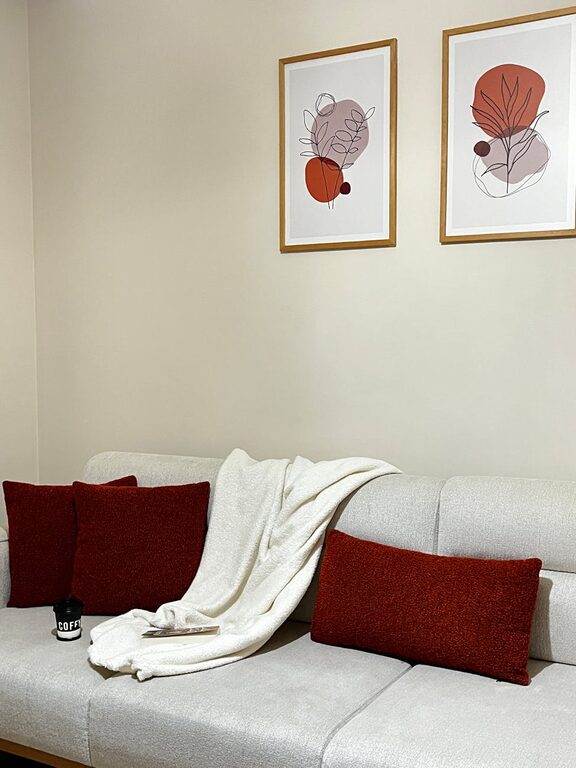
Creating a peaceful home environment is important for relaxation, focus, and overall well-being. However, unwanted noise can easily disrupt that calm, whether it comes from outside traffic, noisy neighbors, or everyday household sounds. The good news is that you don’t need expensive renovations to reduce noise at home. With some simple adjustments and practical ideas, you can significantly minimize noise and enjoy a quieter living space.
In this post, we’ll explore straightforward strategies to help reduce noise in your home. These tips focus on improving sound absorption, blocking noise, and reducing sound transmission from various sources.
Understanding Common Sources of Noise at Home
Before diving into solutions, it helps to identify where noise comes from in your home. Typical noise sources include:
– Traffic or street sounds
– Neighbor activity or loud conversations
– Appliances like washing machines or vacuum cleaners
– Footsteps or movement from upper floors
– Television, music, or other media noise
– Plumbing noises like water running or pipes
Knowing the source can guide you toward the best noise reduction methods.
Simple Ways to Reduce Noise Indoors
1. Use Soft Furnishings to Absorb Sound
Hard surfaces reflect sound, making noise louder and more noticeable. Incorporating soft furnishings can help absorb sound waves, reducing echo and quieter overall noise.
– Add rugs and carpets, especially on hard flooring
– Use thick curtains or drapes over windows
– Include upholstered furniture like sofas and cushioned chairs
– Place throw pillows and blankets on seating areas
These items help muffle sound and create a warmer, quieter atmosphere.
2. Seal Gaps and Cracks
Noise often seeps through small gaps around doors and windows. Sealing these openings improves soundproofing.
– Use weatherstripping tape around door and window frames
– Apply door sweeps to block noise under doors
– Fill cracks with caulk or acoustic sealant
– Check for gaps around electrical outlets and seal if needed
These simple fixes block noisy drafts and help keep unwanted sounds outside.
3. Rearrange Furniture Strategically
Furniture placement can influence how sound travels in a room.
– Position large furniture like bookshelves or sofas against shared walls to add mass and block noise
– Use room dividers or screens to break up open areas that amplify sound
– Avoid placing seating areas directly next to noisy appliances or loud electronics
Strategic placement helps create sound barriers and reduces echo.
Blocking Noise from Outside
4. Improve Window Insulation
Windows are a major entry point for outside noise. You don’t need to replace them all to make a difference.
– Add window inserts or acoustic panels designed to reduce sound transmission
– Hang heavy or lined curtains for an extra sound barrier
– Consider using double-glazed windows if upgrading is an option
Improving windows’ sound insulation can dramatically lower street noise levels.
5. Enhance Wall Soundproofing
While major wall soundproofing may require construction, there are easy additions that help absorb noise.
– Hang tapestries or fabric wall art to reduce echo
– Use removable acoustic foam panels in noisy rooms
– Add bookshelves filled with books against walls shared with noisy neighbors
These additions add mass and absorb sound without permanent changes.
Reducing Noise From Within Your Home
6. Maintain Appliances and Use Quiet Models
Some household appliances can produce a lot of noise. Keeping them in good condition helps minimize sound.
– Regularly service washing machines, dryers, and HVAC systems
– Place appliances on rubber mats to reduce vibration noise
– Choose quieter models when purchasing new devices
– Run louder appliances during daytime hours if possible
Good maintenance and mindful usage can control indoor noise sources.
7. Use White Noise Machines or Soothing Sounds
Sometimes, masking unwanted noise with pleasant background sounds is an effective solution.
– Use a white noise machine or fan in bedrooms or workspaces
– Play soft instrumental music or nature sounds to drown out disruptive sounds
– Keep volume moderate to avoid creating additional disturbance
This approach doesn’t eliminate noise, but it can make it less intrusive.
Additional Tips for a Quieter Home
8. Lay Down Soundproof Mats or Underlays
For homes with hard floors, especially shared apartments or multi-story houses, consider soundproof mats.
– Place soundproof or anti-vibration mats under rugs or appliances
– Use thick underlays beneath carpets to reduce impact noise like footsteps
This is especially helpful for reducing noise between floors.
9. Communicate with Neighbors
If external noise comes from neighbors, a polite conversation can sometimes lead to solutions.
– Share noise concerns and look for compromises on noise hours
– Suggest using rugs or moving noisy activities to certain times
– Explore building management or local noise regulations if needed
Clear communication helps foster a peaceful community environment.
—
Reducing noise at home doesn’t have to be complicated or expensive. By combining soft furnishings, sealing gaps, rearranging furniture, and improving insulation, you can create a much quieter and more comfortable living space. Remember that small changes often add up to make a big difference in your daily comfort.
Try these simple tips and enjoy the calm and quiet your home deserves!