
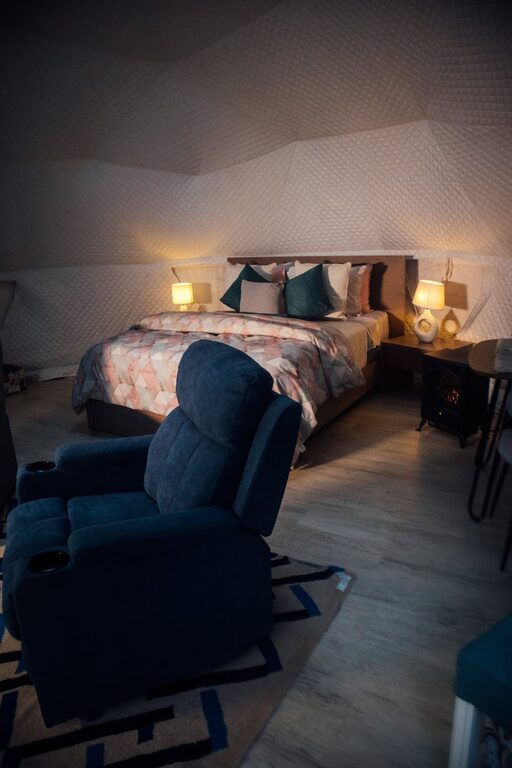
Creating a comfortable living space goes beyond furniture and décor—it heavily depends on the lighting you choose. Proper home lighting can set the mood, improve functionality, and even impact your well-being. With so many styles, bulbs, and fixtures available, selecting comfortable lighting might feel overwhelming. This guide will help you understand essential factors to consider and offer tips to make your home warmly lit and inviting.
Why Comfortable Lighting Matters
Lighting affects how you perceive a room. Harsh, overly bright lights can cause eye strain, while too dim lighting may make tasks difficult and spaces feel gloomy. Comfortable lighting balances aesthetics with usability, creating a relaxing environment that suits your needs whether you’re reading, cooking, or entertaining.
—
Understand Different Types of Lighting
Before choosing your fixtures, it helps to know the common lighting categories and their purposes:
1. Ambient Lighting
This is the general, overall illumination of a room, meant to provide comfortable visibility. Ceiling lights, chandeliers, or wall-mounted fixtures often serve this role.
2. Task Lighting
Task lighting focuses light on specific areas where activities occur, such as reading lamps, under-cabinet kitchen lights, or desk lights.
3. Accent Lighting
Accent lighting highlights architectural features, artwork, or decor. Think spotlights, LED strips, or track lighting.
Combining these types thoughtfully can create layers of light that make a room feel more dynamic and comfortable.
—
Tips for Choosing Comfortable Lighting
1. Consider the Room’s Purpose
Each room’s lighting needs differ:
– Living room: Aim for warm ambient lighting with flexible task lights for reading.
– Kitchen: Bright, clear lighting with focused task lights for cooking zones is essential.
– Bedroom: Soft, dimmable lighting encourages relaxation.
– Bathroom: Clear, even lighting around mirrors works best.
2. Choose the Right Color Temperature
Light color temperature is measured in Kelvins (K):
– Warm light (2700K–3000K): Produces a cozy, yellowish glow ideal for living rooms and bedrooms.
– Neutral light (3500K–4100K): A balanced white light suitable for kitchens and offices.
– Cool light (5000K+): Bright, bluish light that mimics daylight, good for task areas but can feel harsh in large doses.
For comfortable home lighting, warmer temperatures often work best in relaxing spaces while neutral light suits work-focused areas.
3. Use Dimmers for Flexibility
Installing dimmer switches lets you control light levels according to time of day, mood, or activity. This flexibility enhances comfort and saves energy.
4. Avoid Glare and Harsh Shadows
Position lamps and fixtures to reduce direct glare and harsh shadows. Use lampshades or frosted bulbs to soften light output. Indirect lighting bouncing off walls or ceilings also creates an even, comfortable glow.
5. Select the Right Bulbs
LED bulbs are energy-efficient and long-lasting options that come in various brightness and color temperatures. Look for bulbs labeled “warm white” or “soft white” for comfortable home lighting.
6. Layer Your Lighting
Combine ambient, task, and accent lighting in every room. For example, pair ceiling lights with table lamps and wall sconces to create a well-rounded light scheme.
—
Tips for Specific Rooms
Living Room
– Use multiple light sources such as floor lamps, table lamps, and overhead lighting.
– Choose warm, diffused light to encourage relaxation.
– Highlight artwork or architectural features with accent lighting.
Kitchen
– Install bright task lighting over work areas like countertops and sinks.
– Use under-cabinet LED strips for shadow-free illumination.
– Consider adjustable recessed lights for overall brightness.
Bedroom
– Opt for bedside lamps with warm light and dimmers.
– Avoid overhead lights that are too bright or harsh.
– Use soft night lights if needed for nighttime visibility.
Home Office
– Pair natural light with neutral or cool light bulbs for focus.
– Use adjustable desk lamps to reduce eye strain.
– Minimize glare on computer screens by positioning lighting carefully.
—
Additional Considerations
Energy Efficiency
Choosing LED bulbs and energy-saving fixtures reduces utility bills and environmental impact. Many modern LEDs support dimming and offer various color options.
Style and Decor
Lighting fixtures are also decorative elements. Pick styles that complement your home’s aesthetic while fulfilling functionality.
Maintenance
Choose easy-to-clean fixtures and replace bulbs with commonly available types for convenience.
—
Final Thoughts
Comfortable home lighting is about balance—brightness, color, placement, and style all play a role. By understanding your space’s needs and layering different light sources, you can create a welcoming and versatile environment for any activity. Don’t hesitate to experiment with dimmers, bulbs, and fixtures until you find the perfect combination that suits your lifestyle and preferences.
Lighting your home effectively is an investment in comfort and well-being that can truly transform your everyday living experience.